Media Training

Media Training

What we do

Pierpont’s media training helps leaders communicate with confidence, clarity and credibility.

Media Training

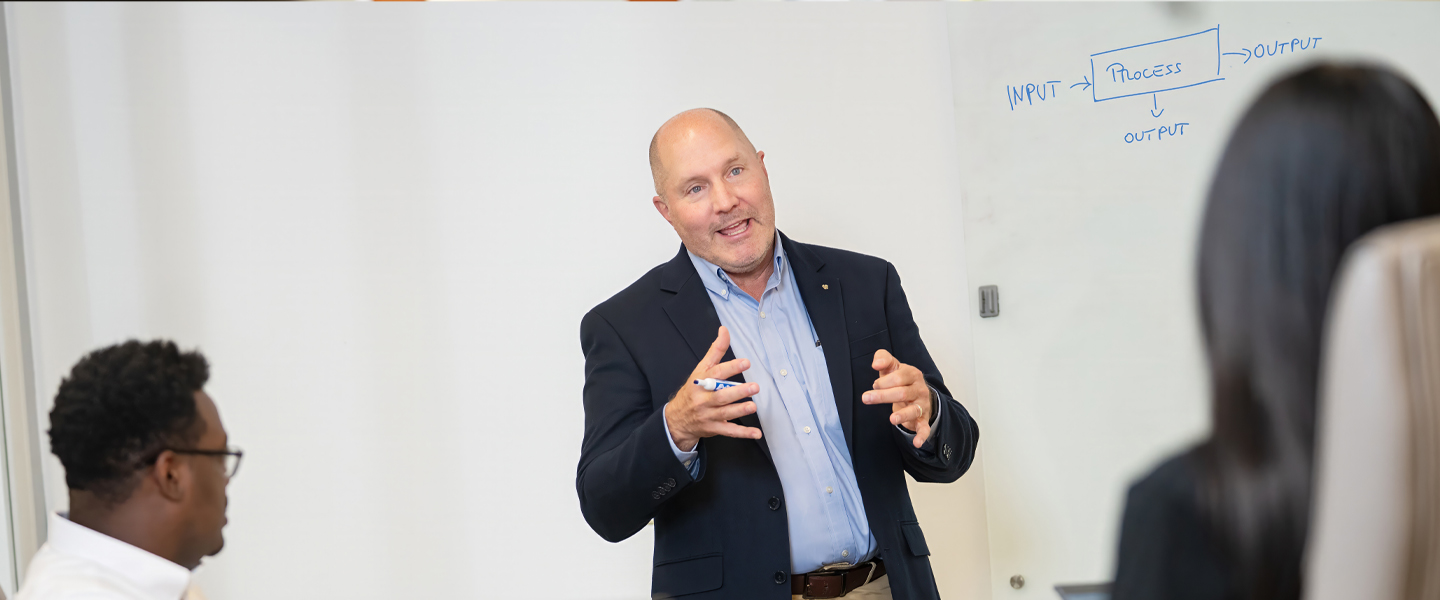
Media training prepares executives and organizational spokespeople to communicate effectively during media interviews and other public-facing situations.

Executives and spokespersons communicate across traditional media, digital platforms and social channels. Their comments can be quoted, shared and found online after an interview ends—even in AI-generated answers. Media training helps spokespeople prepare clear, concise messages and deliver them consistently across these settings.

Training like this is important because a strong, on-message interview or public statement can deliver clarity and impact beyond the initial message. A poor media interview, by contrast, can have the opposite effect, as a misstatement or poor message can circulate rapidly in the media ecosystem and take on a life of its own. 

Pierpont’s media training and interview coaching prepare executives and other leaders for media interviews and other high-visibility communications. Through hands-on coaching, realistic practice scenarios and message development, we help clients answer questions clearly, stay on message and communicate consistently and with confidence across interviews, presentations, virtual engagements and other settings. 

Media Training

Media Training & Executive Coaching

Pierpont delivers interactive, personalized media training and executive coaching for on-camera, phone, video, podcast, and in-person interviews. Participants practice realistic interview scenarios, prepare for challenging questions and learn to deliver key messages clearly, confidently, and consistently. 

Message Development

We help clients develop and refine messages that reflect their organization’s voice, values and strategy. Our team turns complex information into clear, concise talking points that spokespeople and executives can use during media interviews and other communications, following Public Relations Society of America (PRSA) guidance that interview messages should be “short, concise and memorable.”

Presentation & Delivery Skills

Beyond media interviews, Pierpont coaches leaders for public speaking, panel discussions and virtual presentations. Participants practice delivering key messages clearly and adapting their style to different audiences and settings, ensuring they communicate with authority and impact.

Crisis & High-Stakes Interview Preparation

Pierpont prepares leaders for sensitive, complex or high-pressure interviews that can emerge during a crisis or other high-stakes situations. Through realistic practice, we help clients anticipate challenging questions, develop clear responses, and communicate with transparency during business critical events. 

How we do it

We tailor media training programs to each client’s needs.

Media Training

Pierpont tailors executive media training and interview coaching programs to each organization’s goals, reputational risks and spokesperson’s needs. We use this foundation to develop realistic training scenarios, relevant interview questions and messaging that aligns with the organization’s broader business goals.

Media Training

Discovery & Planning

Depending on your organization’s needs, Pierpont’s crisis and media training may include:

  • Discovery and planning sessions to develop realistic interview scenarios based on your organization’s business environment and communication risks.
  • Review of existing media policies, key messages and communication materials to keep messaging consistent throughout the training.

Simulated Trainings

Our programs combine expert instruction, realistic interview practice and hands-on coaching. Depending on your organization’s needs, media training may include:

  • Media relations best practices and question-and-answer techniques.
  • Guidance on how social media can affect crisis communications and news cycles.
  • Tabletop crisis communications exercises that simulate media inquiries, social media activity and changing situations.
  • Video-based mock interviews that give designated spokespeople an opportunity to practice realistic scenarios.
  • Interview playback and personalized feedback to identify strengths and areas for improvement.

Content Creation

Pierpont develops or refines messaging to help spokespeople communicate key points clearly and consistently. We also create talking points, briefing documents, FAQs, media statements and other materials to support interview preparation.

Media Training Outcomes

What will participants learn from media training?

Media Training Outcomes

Pierpont’s media training gives participants practical experience preparing for and responding to media interviews. Depending on the training program, participants will learn how to:

  • Identify and deliver key messages clearly and consistently.
  • Prepare for likely interview questions.
  • Respond to challenging questions while staying focused on key messages.
  • Practice on-camera and other interview formats in realistic scenarios.
  • Review interview performance and identify areas for improvement.
  • Prepare for sensitive or high-stakes communications.
Media Training Outcomes
Media Training FAQ

Frequently Asked Questions About Media Training

Media Training FAQs

Find answers to common questions about Pierpont’s media training and interview coaching services.

Media Training FAQs

What is media training?

Media training prepares organizational spokespeople to communicate effectively during media interviews. Training may include message development, interview practice, preparation for challenging questions and feedback on interview performance.

What is interview coaching?

Interview coaching helps executives and spokespeople prepare for specific media interview situations. Pierpont uses realistic practice scenarios and personalized feedback to help participants prepare key messages, anticipate questions and practice their responses.

What does media training include?

Pierpont tailors media training to each organization’s goals and needs. Training may include message development, mock interviews, on-camera practice, crisis communication exercises, interview playback and personalized feedback.

Who should receive media training?

Media training can help executives, designated spokespeople, public information officers (PIOs), and other organizational leaders who communicate with reporters or represent their organization in public-facing situations.

How does media training prepare leaders for difficult questions?

Media training gives participants an opportunity to anticipate challenging questions and practice clear responses before an interview. Participants can also practice returning to key messages while responding directly to the interviewer.

What are the outcomes of media training?

Media training can help participants prepare key messages, anticipate interview questions and practice communicating clearly across different interview formats. Pierpont also uses interview playback and feedback to help participants identify strengths and areas for improvement.

Share this: