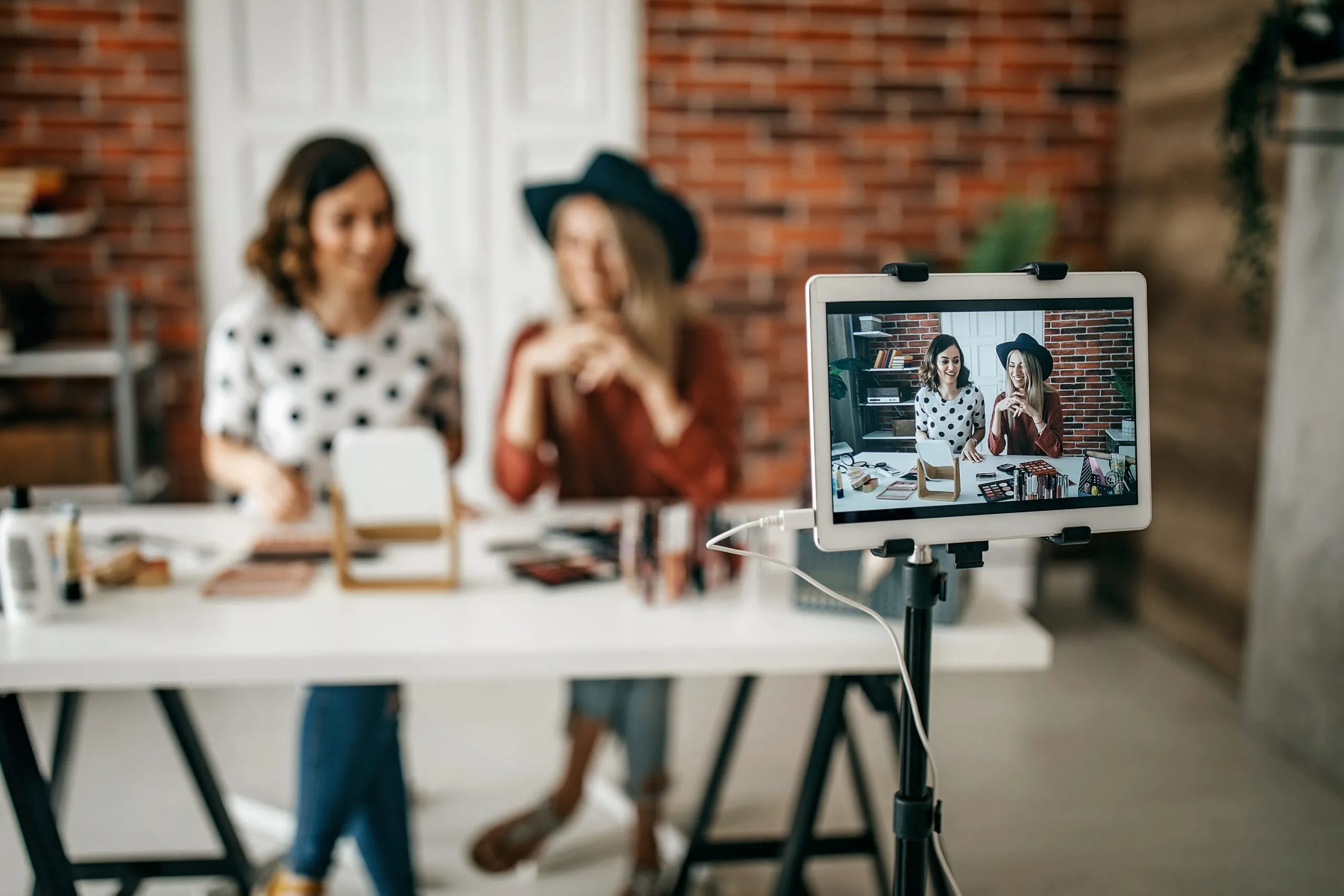

Influencer marketing looks very different today than it did even two years ago.
There are more than 12 million full-time content creators in the U.S., according to a study by the Keller Advisory Group. Audiences are increasingly turning to influences as resistance to ads grows. In addition, brands are being held to a higher standard when it comes to authenticity and value.
This all means that online influence today isn’t about visibility alone—it’s about credibility, relevance, and trust across social platforms.
Here’s what I’m seeing play out in real time in the influencer space.
Reach Still Matters—But Credibility Drives Influence
Follower count used to be the shortcut to credibility. It isn’t anymore.
Across both consumer and B2B influencer marketing, brands are learning that reach without credibility doesn’t move audiences. People want insights from creators who actually understand the topic, whether that’s an industry expert, a working professional, or someone with firsthand experience.
Especially in the B2B space, individual voices consistently outperform brand-owned channels because they feel informed, human, and grounded in real-world experience.
Community-Led Influence Outperforms Viral Moments
The creator economy is more crowded than ever, and audiences feel it.
As more content competes for attention, people are gravitating toward community influencers: creators who have built trust within a specific niche or shared interest and who engage the same audience consistently over time.
These creators don’t just chase every trend. Instead, they’re showing up regularly, shaping conversation, responding to comments, and earning attention through familiarity. As a result, their recommendations feel personal, not promotional.
Brands are responding by moving away from one-off influencer campaigns and toward longer-term partnerships. When creators understand a brand’s purpose, values, and audience, they can communicate its relevance naturally and consistently—which is what builds trust over time.
In today’s influencer landscape, community alignment matters more than scale.
Authentic Video Is the Most Valuable Influencer Content
Video continues to be the most effective influencer format across platforms, but not all types of video perform equally. This year, video is expected to account for 82% of internet traffic, with users spending roughly 100 minutes per day consuming video content, according to DemandSage.
What’s working now:
- Educational and problem-solving content
- Clear demonstrations of expertise
- Honest disclosure around partnerships
- Accessible formats, including captions and sound-off viewing
Audiences are quick to tune out influencer content that feels overly scripted or promotional. They prefer creator-led video that offers practical value, builds trust and keeps attention. Currently, 96% of people say they watch explainer videos to learn more about a product, while 89% report they have been swayed to purchase, according to a recent report by Hubspot.
The brands seeing consistent results are the ones letting creators communicate in their own voices—not forcing influencer content into a traditional ad structure.
Influencer Marketing Now Shapes AI-Powered Discovery
One of the most important shifts in 2026 is how influencer content shows up in AI-driven search and discovery.
Consumers are increasingly using AI tools and enhanced search results to research brands, products, and services—often without clicking through to a website. (For example, Capital One reports that among shoppers already using AI, 72% use it as their primary tool to research products and brands.) This new behavior changes how influencer marketing creates value.
Visibility today is no longer limited to traffic on a social media channel or website. What are more important are brand mentions, context, and authority—the signals AI systems rely on when generating answers. Influencer content plays a direct role in shaping those signals by contributing to conversations, sentiment, brand awareness and perceived expertise.
The rise of AI-generated influencers and synthetic content has made authenticity even more valuable. In an environment that feels increasingly automated, human experience and perspective are stronger trust signals, not weaker ones.
What This Means for Influencer Marketing in 2026
Influencer marketing in 2026 should focus less on volume and more on intention.
The brands performing best today are:
- Prioritizing credibility over scale
- Investing in community-driven creators
- Allowing influencers to sound like themselves
- Measuring impact beyond vanity metrics
- Recognizing that influence now extends into AI-powered discovery
Influencer marketing hasn’t lost its effectiveness. It’s evolved, and it now rewards brands that respect their audience, value expertise, and understand how influence actually works in a modern digital ecosystem.