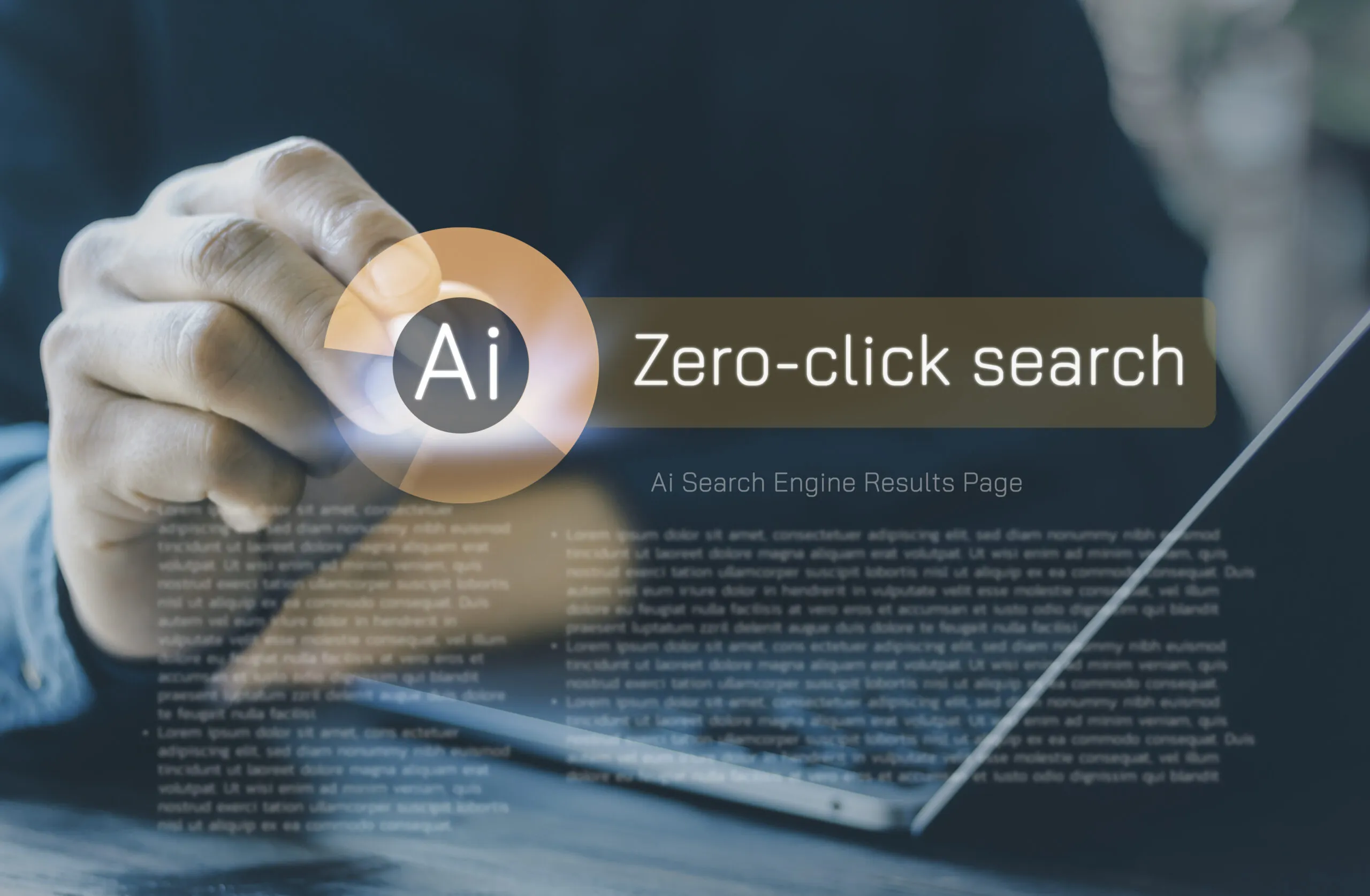
Zero-click marketing refers to content that delivers the information people need without requiring them to click through to a website. Today, users can get answers instantly, whether it’s from Google search results, social media feeds, or AI-powered summaries, often without ever leaving the platform they’re on.
Search engines and social platforms now surface answers upfront through featured snippets, FAQs, knowledge panels, carousels, and in-app content. This shift is critical for businesses and marketers to understand because it changes how visibility, value, and performance are measured. Brands that rely solely on clicks from websites and apps risk being overlooked, while those that embrace zero-click strategies can still capture attention, build trust, and influence decisions.
Examples of zero-click content include:
- Google’s Featured Snippets and “People Also Ask” sections
- LinkedIn posts that fully explain a concept in-feed
- Instagram posts, none of which can include links
- Short-form educational videos that answer a question start to finish
- AI-generated summaries that cite or reference a brand without providing clear links back to sources
A study from Digital Content Next published in 2025 shows the results of these changes. The research found that “median year-over-year referral traffic from Google Search to premium publishers [was] down 10% over just eight weeks.”
But it’s important to understand that zero-click marketing isn’t about losing traffic. Instead, marketers should view it as an opportunity to meet audiences where they already are and to optimize the traffic that does come to your website.
Why Is Zero-Click Behavior Increasing?
Zero-click behavior is growing because it benefits platforms and users alike. Search engines and social networks want to keep users in their apps for as long as possible to sell more online ads, and providing immediate answers helps them do just that.
Google, for example, increasingly displays “quick answers” such as featured snippets, FAQs, definitions, and AI summaries directly on the search results page. Social platforms follow the same model by prioritizing content that delivers value without requiring an external link.
As adoption of this new online technology has grown, user behavior has shifted. A recent study cited by Search Engine Land shows that 37% of consumers now start searches with AI instead of Google. The article explains:
“Instead of scanning ads and blue links, users want one clear answer they can act on right away. Respondents consistently described AI as:
- Faster.
- Clearer.
- Less cluttered.”
Zero-Click Doesn’t Mean Zero Value
A common misconception is that if someone doesn’t click, the content didn’t work. In reality, zero-click interactions can still deliver meaningful value.
Even without a click, people may:
- Learn about your brand
- Begin to trust your brand’s expertise
- Remember your name when they need a solution later
Zero-click content builds brand awareness, credibility, and recall. It plants a seed. When the time is right, users may return to search for your brand specifically, follow your social channels, or convert at a later stage in their journey.
Visibility and consideration often occur before conversion.
Strategies for Zero-Click Marketing
To succeed in a zero-click environment, brands need to be intentional about how they create and structure content.
Optimize for Featured Snippets: According to SEMRush’s guide on featured snippets, content that clearly and concisely answers questions is more likely to appear in these high-visibility positions. This means using clear headings, straightforward language, bullet points, and structured formatting that search engines can easily interpret.
Create Content That Answers Questions Quickly: Lead with the answer. Whether it’s a blog post, FAQs page, social caption, or video, don’t bury the valuable insight. Get straight to the point so users can immediately get their questions answered.
Create Content That Stands Alone on Social: Design social content that doesn’t depend on a link to be effective. Educational carousels, short-form videos, and text-based posts that fully explain a concept can perform exceptionally well and build authority over time.
Prepare for AI Search: AI-powered search experiences are accelerating the zero-click trend. Brands should focus on being clear, accurate, and helpful so their content can be referenced, summarized, or cited in AI-driven results.
Focus on Earned Media and PR: My colleague Chris Ferris, Ph.D., recently published a useful blog post about the value of PR and earned media. In short, Chris advises businesses to “prioritize a public relations strategy aimed at securing placements in trusted outlets AI models are likely to cite.”
How to Measure Zero-Click Success
Instead of focusing only on clicks, brands should look at broader indicators of impact, including:
- Social media engagement (likes, saves, comments, shares)
- Follower growth on key social channels
- Brand mentions across platforms
- Search visibility and impressions
- Increases in branded search queries
- Quality of traffic and engagement rates on websites, especially as traffic erodes
These metrics provide a clearer picture of how your content influences awareness and consideration, even when clicks aren’t the primary action.
Conclusion
Zero-click marketing isn’t replacing traditional content; it’s adding another layer to how brands show up and stay relevant. The goal isn’t to chase clicks at all costs, but to be helpful, visible, and memorable wherever your audience is searching or scrolling.